
Success in the Fitness Industry: What Drives it and What Will Sustain it
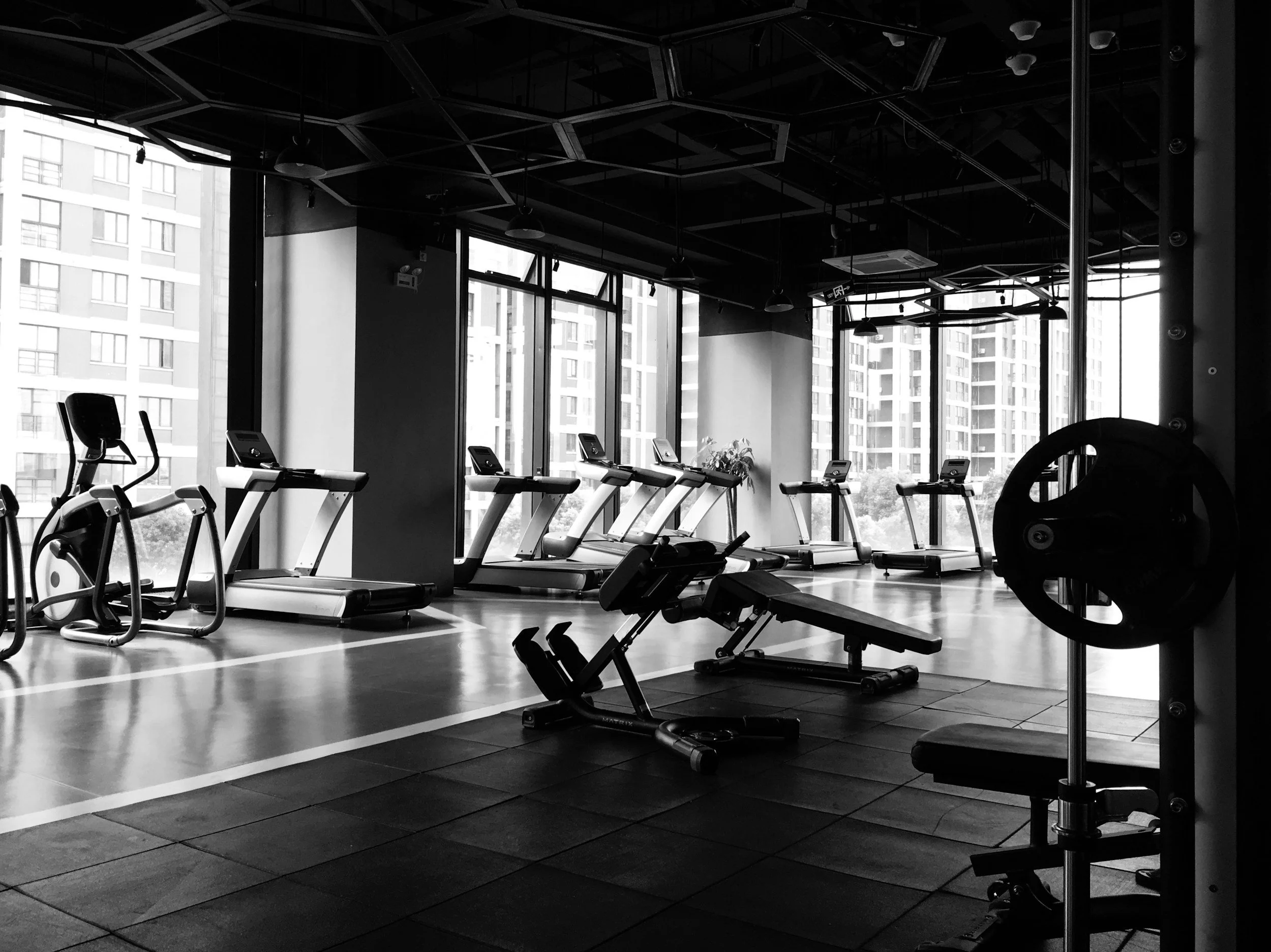
Senaura Spaces had the pleasure of sitting down with a senior executive in the New York fitness scene to delve into what is driving success in the fitness industry and how one can stand out from the competition.
Below is a summary of the learnings:
Q: What type of research does your team use to guide amenity implementation and design?
A: Utilize internal member data as well as follow established research groups, conferences and websites (see below).
Follow groups like Fitt Insider, Athletic Business, BFS and Club Solutions Magazine for digests, data and reports. Also look to NSCA and Athletech for more data points and tech advancements.
Key conferences to attend are BeyondActiv and HFA.
Q: What are you seeing as the most utilized / most desired space? Is it a robust weights' area, yoga space, sauna, etc?
A: Always have 4 key zones: Signature turf, main studio, hot yoga and equipment. Depending on the location may also offer spin, steam rooms and enhanced recovery.
But there always needs to be an awareness of the local needs to adjust and shift the offerings as needed.
Q: How do you choose your equipment?
A: Long-standing partnership with Life Fitness and stick with them for the durability and quality of the product. Matrix is durable but doesn't have the premium perception to enhance the luxury definition of space. Rogue is geared as hardcore while Precore / Peloton also offer great durability, but the cardio is questionable for lifespan. TechnoGym is great for the look, but with the levels of usage the equipment gets at high traffic gyms, the durability still needs to be tested.
Q: Do you ever partner with outside vendors to undertake audits or provide a burst of creative suggestions for your spaces? If no, why not? If yes, who do you use and what makes them a great partner?
A: They have an internal team who then works with the developer or landlord of a space to source the architect and general contractor. From there they partner with interior designers in the relevant areas, but also have a robust standing list of one-off vendors. For instance, they have a lighting vendor, artwork vendor (who also works on framing), AV vendor as well as F&B partners.
Q: Is F&B necessary and what are the financials?
A: Considered a “necessary amenity [evil].” Members expect options, but at best they break even on the offering. Have tried partnering with reputable F&B brands and vendors, but it is really hard to make a profit through F&B.
Q: Where are you investing your money? What is new and innovative that is getting your team excited?
A: The standout features are now focused on AV technology and sound systems. This is hugely important for member experience with a lot of emphasis on incorporating bluetooth so that instructors can control remotely while systems also pair with lighting to change colors and coordinate with music. Good speakers are integrated throughout and tend to lean into high-end JBL equipment. Also looking at new mics, controllers and other new ways to enhance the audio and visual experience.
In the past they had looked at integrating robot massages such as Aescape, but couldn’t get the numbers to work.