
Beyond the Thermostat: Reimagining Thermal Comfort in the Workplace
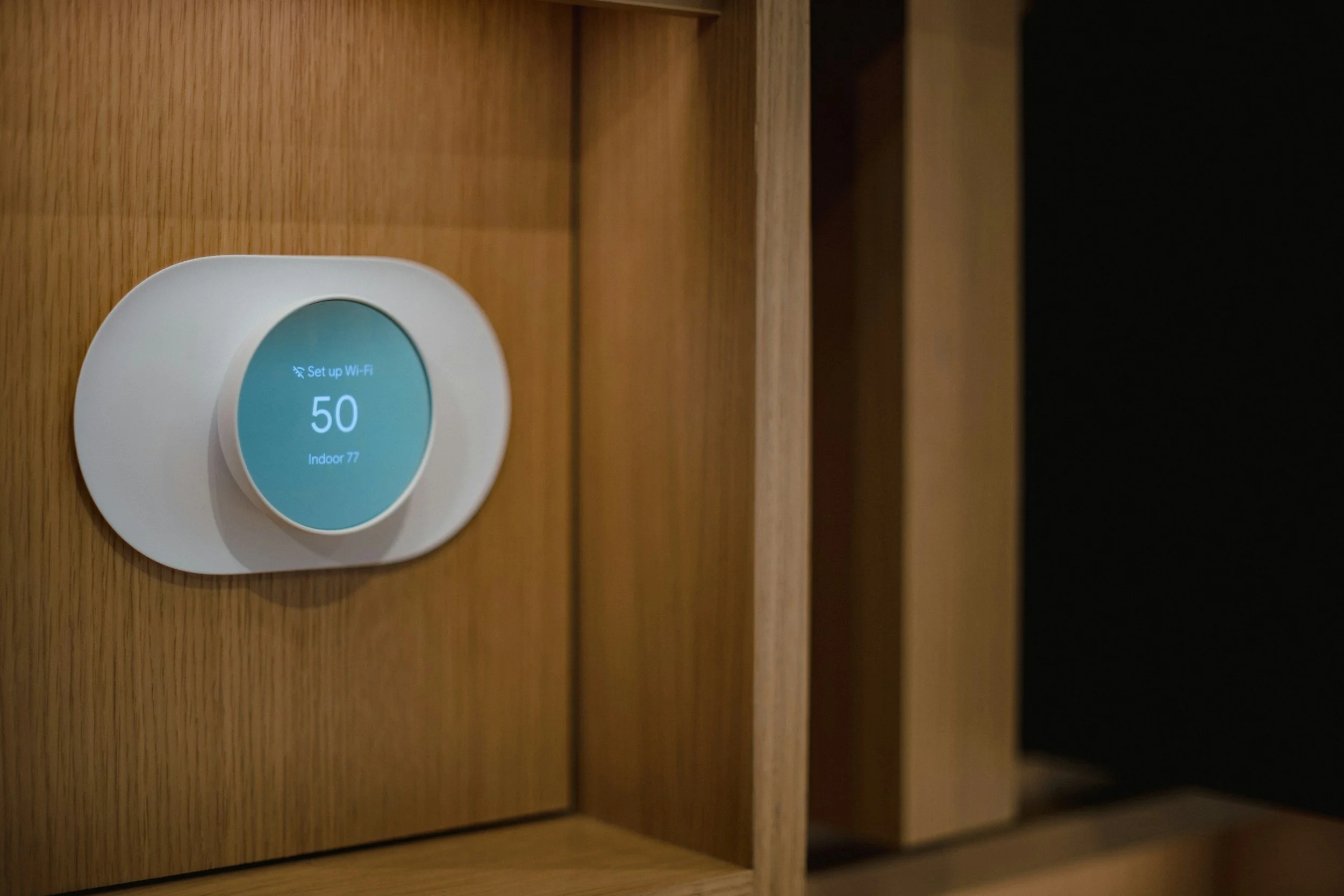
Source: Unsplash
When summer temperatures climb, thermal comfort quickly becomes visible inside the workplace. One person reaches for a sweater while another looks for a fan. Shades are drawn along the sunny side of the building, and facilities teams may begin hearing more “too hot” and “too cold” comments. A meeting room that feels comfortable in the morning may be noticeably warmer by late afternoon. Some employees may even gravitate toward certain workspaces simply because they feel more comfortable there.
At the same time, building controls may show that indoor conditions are within an acceptable range. Yet the experience of the workplace can tell a different story. Why can a building appear to be performing as intended while some occupants still feel too warm, too cold, or simply uncomfortable?
Research illustrates this distinction. In a study of 30 office buildings across nine cities and three climate zones in India, thermal conditions met the applicable standard in 75% of the assessed spaces. In contrast, 62% of surveyed occupants reported being satisfied with their thermal environment. The findings show why measured building performance and occupant experience should be considered together when evaluating thermal comfort [1]. Larger-scale research reinforces the importance of considering occupant experience alongside model predictions. In an analysis of a major global thermal comfort database, a widely used thermal comfort model correctly predicted occupants’ reported thermal sensation only about one-third of the time, highlighting the value of considering modeled estimates alongside occupant experience [2].
Why does this matter? Thermal discomfort can extend beyond physical discomfort alone. Research has linked elevated indoor temperatures with reduced work performance, particularly when exposure is prolonged or the work requires greater cognitive effort [3]. Therefore, creating a comfortable thermal environment is not only about occupant satisfaction. It can also help support people in doing their work effectively.
Summer heat may bring thermal comfort into sharper focus, but the challenge does not disappear when outdoor temperatures fall. In cooler months, occupants may experience cold areas near windows and exterior walls, drafts, or overheating. Sunlight can also make some areas feel warmer than others at different times of the day or year. Thermal comfort is a year-round consideration.
Perhaps the question is no longer simply, “What temperature should the workplace be?” A more useful question may be, “How can workplaces respond more effectively to different people, spaces, seasons, and climates?” That shift, from managing a temperature to understanding the broader experience of thermal comfort, is where the opportunity to reimagine begins.
Reimagine What “Comfortable” Means
Thermal comfort is about much more than the number on the thermostat. Both ASHRAE Standard 55, a widely used standard for thermal comfort, and the WELL Building Standard recognize that comfort is influenced by a combination of environmental and human factors. The goal is not to find one temperature that feels perfect to everyone [4], [5].
Air temperature is only one part of the experience. Humidity, air movement, the warmth or coolness of surrounding surfaces, clothing, and a person’s level of activity can all influence how a space feels [4], [5]. A workstation beside a sun-warmed window, for example, may feel noticeably different from one farther inside the building even when the measured air temperature is similar. Cold windows, warm surfaces, drafts, and differences in airflow can also contribute to discomfort [4]. Building characteristics can also shape thermal comfort. The performance of the building envelope, including insulation and windows, can influence how comfortable interior spaces feel [16].
Personal preference and the ability to make small adjustments matter as well. Two people sitting in the same room may experience the conditions differently, which helps explain why one “perfect” workplace temperature is so difficult to achieve [4].
Looking at thermal comfort this way broadens the focus beyond a single temperature target. It also helps explain why different areas within the same workplace can feel very different, even when they are part of the same building.
Reimagine the Workplace as Multiple Thermal Environments
Just as people experience thermal conditions differently, the workplace itself is rarely one uniform environment. A densely occupied training room, a private office with the door closed, an open work area beneath supply vents, and a lightly used lounge may all feel different, even within the same building.
Location and use matter. The number of people in a space, equipment that generates heat, patterns of airflow, and differences in how enclosed or open an area is can all affect how it feels. A room that is comfortable when nearly empty may become noticeably warmer when fully occupied. Other areas may feel cooler because of stronger airflow or their proximity to heating or cooling vents.
This is where thoughtful design and operation can make a difference. Depending on the building and the problem, solutions might range from relatively simple adjustments, such as shading, furniture placement, air movement, or giving occupants greater choice of workspaces, to more substantial measures involving thermal zoning, localized controls, glazing, or building systems that allow different areas to respond to different comfort needs [5], [6], [16]. The goal is not necessarily to make every area feel identical. It is to better align each space with how it is used and how people experience it.
When people consistently avoid spaces that feel uncomfortable, thermal comfort becomes more than a facilities issue. It can influence how effectively spaces are used and how inviting the workplace feels throughout the day. Not everyone, however, has the flexibility to move elsewhere. For employees who must remain at a fixed workstation or in a specific area, exposure to warmer conditions can make it harder to concentrate and think clearly [18].
Understanding these differences can help design, building, and workplace teams respond more thoughtfully to comfort challenges rather than relying on a single adjustment to address very different problems.
Reimagine the Role of the Occupant
When people say a space feels too warm or too cold, it can be tempting to view those comments simply as comfort complaints. A more useful approach is to treat them as another source of information about how the building is performing.
Patterns can be revealing. Are concerns coming primarily from one floor, zone, or type of space? Do they occur at particular times of day or during certain seasons? When occupant feedback is considered alongside temperature, humidity, airflow, and other building data, it can help identify conditions that might otherwise be missed.
This is one reason occupant surveys and feedback appear across leading building and health frameworks, including WELL, LEED, and Fitwel [5], [7], [8]. While their approaches differ, each recognizes the value of understanding how occupants experience indoor conditions. WELL, for example, specifically incorporates occupant perception into the evaluation of thermal comfort alongside measured environmental conditions [5].
Giving people some ability to adapt can also make a difference. Depending on the workplace, that might include personal comfort options, localized temperature control, or flexibility in how a space is used. Providing reasonable opportunities for people to respond to discomfort can support not only thermal satisfaction, but also a greater sense of control over their workplace experience [6].
The objective is not to respond to every individual preference by continually changing building conditions. Instead, it is to better connect what the building is measuring with what the people inside are experiencing. Occupants can become active participants in understanding thermal comfort rather than simply recipients of the conditions the building provides.
Respond to Climate and Place
Thermal comfort is also shaped by where a building is located and how it is designed and operated. A workplace in a hot, dry climate may call for a different combination of strategies than one in a hot, humid, temperate, or cold climate. Buildings that rely primarily on mechanical cooling may also create different comfort conditions than those that incorporate natural ventilation or other ways for people to adjust to their surroundings.
Research across different regions, including the United States, China, Singapore, and Thailand, reinforces this broader view. Field studies have shown that thermal preferences and responses can vary with climate and building operation [9]-[12]. Research has also shown that people can adapt to a wider range of indoor temperatures depending on outdoor conditions and the opportunities they have to adjust their environment. This work, based on a large international dataset of about 21,000 observations from 160 buildings worldwide, helped shape what is now known as the adaptive comfort model [13].
This does not mean abandoning established thermal comfort standards or assuming that everyone in a particular region prefers the same conditions. Rather, it means applying those standards with greater awareness of local context.
For designers, building teams, and workplace leaders, that context may include humidity, solar exposure, building orientation, opportunities for natural ventilation, and how occupants typically use and adjust to the space. A strategy that works well in one location may not be the best fit somewhere else.
Consistency does not have to mean uniformity. The goal remains the same: creating workplaces that support occupant comfort. The best way to achieve that goal may vary by climate, building, and the people using the space.
Prepare for Changing Conditions
A workplace that feels comfortable under typical circumstances may respond very differently during a prolonged heat wave or other periods of unusually high outdoor temperatures. The issue has been especially visible in 2026, with record and near-record heat affecting parts of the United States and Europe, while global temperatures have also remained exceptionally high [14], [15]. In that sense, extreme heat can act as a stress test, revealing where certain spaces, building systems, or operating strategies may struggle to maintain comfort. For existing buildings, this may also raise questions about whether systems, controls, and building features designed for earlier conditions are still able to meet increasingly challenging temperature extremes.
This is prompting a broader conversation about heat resilience, or how well indoor environments can continue to support people as outdoor temperatures become more severe. A 2024 review of 71 studies on thermal comfort and heat resilience found that effective approaches extend beyond mechanical cooling alone. The research points to the value of combining thoughtful building design, passive strategies, efficient building systems, appropriate controls, and ways for occupants to respond [16].
For designers and building teams, resilience also means looking ahead and considering how a workplace may function under future weather extremes rather than relying only on historical patterns. Maintaining comfortable indoor environments during periods of extreme heat can help workplaces remain usable and supportive of the people who depend on them.
Reimagining thermal comfort, then, is not only about addressing what occupants experience today. It is also about creating workplaces that are better prepared for what may come next.
Make Comfort an Ongoing Process
Thermal comfort is not a one-time design decision or a problem to address only when complaints arise. A more responsive approach considers comfort throughout the life of a workplace, from design and renovation to day-to-day operation and changing occupant needs.
One way to think about that process is:
Anticipate. Design. Measure. Listen. Adapt.
Anticipate how climate, building characteristics, occupancy, and the way spaces will be used may affect comfort.
Design with thermal comfort in mind from the beginning or incorporate it thoughtfully into renovations and retrofits of existing workplaces.
Measure what is actually happening across the workplace and at different times of year. Sensors, monitoring systems, and environmental dashboards can help building teams identify patterns that may not be apparent from isolated complaints alone. WELL, for example, recognizes ongoing thermal monitoring and periodic measurement as ways to better understand building performance [17].
Listen to the people using the workplace. Occupant feedback adds an important human perspective to the building data and can help reveal where further investigation may be needed [5].
Adapt when the evidence points to a change. Sometimes the answer may be operational. In other cases, persistent patterns may indicate the need for changes to the space, controls, or building systems.
This approach shifts thermal comfort from something that is managed reactively to something that can be continually understood and refined. The result is a workplace better able to remain comfortable, usable, and supportive of the people who rely on it.
Create a More Responsive Workplace
The thermostat still matters, but it cannot tell the whole story. Reimagining comfort means moving beyond the search for one ideal temperature and toward workplaces that are more responsive, adaptable, and informed by both building performance and occupant experience.
The goal is not to make every workplace, or every space within it, feel exactly the same. It is to create environments that respond more thoughtfully to changing conditions and to the people who use them, supporting comfort, well-being, and the ability to do their best work.
References
[1] P. Shukla, “Thermal and acoustic comfort in workplaces,” Green Business Certification Inc. (GBCI), Jan. 3, 2022.
[2] T. Cheung, S. Schiavon, T. Parkinson, P. Li, and G. Brager, “Analysis of the accuracy on PMV–PPD model using the ASHRAE Global Thermal Comfort Database II,” Building and Environment, vol. 153, pp. 205–217, 2019, doi: 10.1016/j.buildenv.2019.01.055.
[3] X. Lin, C. Guo, P. Wargocki, S. Tanabe, K. W. Tham, and L. Lan, “The effects of temperature on work performance in the typical office environment: A meta-analysis of the current evidence,” Building and Environment, vol. 269, Art. no. 112488, 2025, doi: 10.1016/j.buildenv.2024.112488.
[4] ASHRAE, ANSI/ASHRAE Standard 55-2023: Thermal Environmental Conditions for Human Occupancy. Peachtree Corners, GA, USA: ASHRAE, 2023.
[5] N. Stodola and N. Johnson, “What’s new in WELL v2: Thermal Comfort,” International WELL Building Institute, Jan. 22, 2019.
[6] J. Kim, S. Schiavon, and G. Brager, “Personal comfort models: A new paradigm in thermal comfort for occupant-centric environmental control,” Building and Environment, vol. 132, pp. 114–124, 2018, doi: 10.1016/j.buildenv.2018.01.023.
[7] U.S. Green Building Council, “EQ Credit: Occupant Comfort Survey,” LEED v4: Building Operations + Maintenance Guide. Washington, DC, USA: USGBC, accessed Aug. 12, 2026.
[8] Fitwel, “06. Indoor Environment – Thermal Comfort,” Fitwel Help Center, updated Feb. 22, 2026.
[9] G. E. Schiller, E. A. Arens, F. S. Bauman, C. Benton, M. Fountain, and T. Doherty, “A field study of thermal environments and comfort in office buildings,” ASHRAE Transactions, vol. 94, pt. 2, pp. 280–308, 1988.
[10] T. Wu, B. Cao, and Y. Zhu, “A field study on thermal comfort and air-conditioning energy use in an office building in Guangzhou,” Energy and Buildings, vol. 168, pp. 428–437, 2018, doi: 10.1016/j.enbuild.2018.03.030.
[11] J. F. Busch, “A tale of two populations: Thermal comfort in air-conditioned and naturally ventilated offices in Thailand,” Energy and Buildings, vol. 18, nos. 3–4, pp. 235–249, 1992, doi: 10.1016/0378-7788(92)90016-A.
[12] R. J. de Dear, K. G. Leow, and S. C. Foo, “Thermal comfort in the humid tropics: Field experiments in air conditioned and naturally ventilated buildings in Singapore,” International Journal of Biometeorology, vol. 34, no. 4, pp. 259–265, 1991, doi: 10.1007/BF01041840.
[13] R. J. de Dear and G. S. Brager, “Developing an adaptive model of thermal comfort and preference,” ASHRAE Transactions, vol. 104, pt. 1, pp. 145–167, 1998.
[14] National Centers for Environmental Information, National Oceanic and Atmospheric Administration, “Assessing the U.S. Temperature and Precipitation Analysis in June 2026,” July 9, 2026.
[15] Copernicus Climate Change Service, “Intense heatwave brings hottest June for western Europe as the month ranks second warmest globally,” July 14, 2026.
[16] H. Jain, “Critical insights into thermal comfort optimization and heat resilience in indoor spaces,” City and Built Environment, vol. 2, Art. no. 14, 2024, doi: 10.1007/s44213-024-00038-z.
[17] International WELL Building Institute, “Understanding the verification method requirements of continuous monitoring pathways,” WELL Support, updated Jan. 29, 2026.
[18] T. Witterseh, D. P. Wyon, and G. Clausen, “The effects of moderate heat stress and open-plan office noise distraction on SBS symptoms and on the performance of office work,” Indoor Air, vol. 14, suppl. 8, pp. 30–40, 2004, doi: 10.1111/j.1600-0668.2004.00305.x.