
The Future of Fitness is Arriving
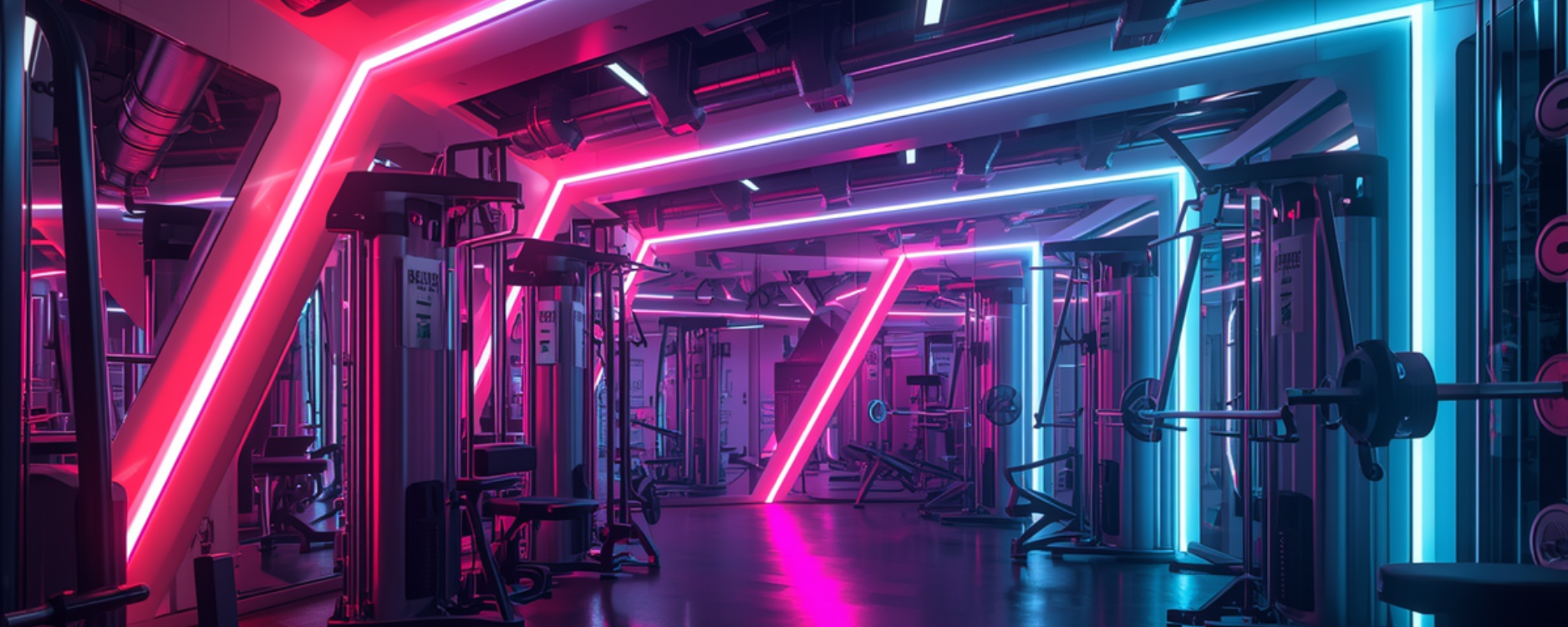
The 2026 HFA Show in San Diego made one thing extremely clear: the fitness industry is no longer centered around equipment alone. Instead, it is rapidly evolving into a technology-driven, experience-focused, and wellness-oriented ecosystem. What was once a relatively straightforward model - memberships, machines, and group classes - has transformed into an interesting blend of data, personalization, recovery, and hybrid engagement.
This year’s conference highlighted a pivotal shift in how fitness facilities are designed, operated, and monetized. Operators are no longer just running gyms; they are building integrated performance environments that combine physical training, digital connectivity, and holistic health solutions.
The Rise of Data-Driven Fitness
Perhaps the most dominant theme at HFA 2026 was the integration of artificial intelligence and data analytics into nearly every aspect of the fitness experience. First movers like Technogym and Egym were not the only ones pushing data in the gym. Facilities are increasingly leveraging real-time data from countless sources to enhance member outcomes, improve retention, and optimize operations.
Modern equipment now captures detailed performance metrics - from heart rate and output to velocity and fatigue levels - and feeds this data into centralized platforms. These systems allow for personalized programming that adapts dynamically to each user. Instead of following static workout plans, members are guided through evolving routines based on their progress, recovery status, and goals.
For operators, this represents a major opportunity. Data is no longer just a byproduct of workouts; it is becoming a core asset. Facilities that effectively harness this information can create highly personalized member journeys, predict loss, and deliver targeted changes that keep users engaged long-term.
Strength Training Enters the Digital Age
Strength training continues to dominate as the cornerstone of modern fitness, but it is undergoing a significant transformation. Traditional free weights and selectorized machines are being augmented - or in some cases replaced - by smart systems that provide real-time feedback and automated resistance adjustments.
One of the most notable innovations is the integration of velocity-based training directly into commercial equipment. This allows users to track bar speed, power output, and fatigue without needing external devices. The result is a more scientific and measurable approach to strength development.
Additionally, digitally connected machines are enabling automatic load progression. Instead of manually adjusting weights, systems can increase or decrease resistance based on performance, ensuring users are always training at the optimal intensity.
This evolution reflects a broader trend: strength training is becoming more accessible, guided, and data-rich. What was once reserved for elite athletes is now being democratized for everyday gym members.
Reinventing Cardio Through Immersion
Cardio has long struggled with engagement. Rows of treadmills and bikes, while functional, often fail to hold user attention over time. At HFA 2026, it was evident that manufacturers and operators are tackling this challenge head-on through immersive and connected experiences.
Gamification is playing a major role. Users can now participate in virtual races, compete on leaderboards, and explore simulated environments while exercising. These features transform cardio from a solitary activity into an interactive and even fun experience.
In parallel, connected group formats are gaining traction. Members can join live or on-demand classes that integrate directly with equipment, creating a seamless blend of in-person and digital coaching. This hybrid approach not only enhances engagement but also extends the reach of instructors beyond the physical studio.
The overarching goal is clear: make cardio something users want to do, not something they feel obligated to complete.
Recovery and Wellness Become the Core of the Business Model
One of the most significant shifts at HFA 2026 was the elevation of recovery and wellness from a secondary amenity to a primary pillar of the fitness offering. This is not a subtle evolution - it represents a fundamental redefinition of what a fitness facility is meant to provide.
Historically, recovery was treated as an afterthought: a stretching area in the corner, perhaps a foam roller rack, or at best a small sauna. Today, it is being engineered as a fully programmed, revenue-generating environment with dedicated square footage, curated experiences, and measurable outcomes.
The Expansion of Recovery Modalities
Facilities are now integrating a wide spectrum of recovery tools, each targeting different aspects of physiological and neurological restoration. These include cold exposure systems such as ice baths and controlled cold plunge units, heat therapies including traditional saunas and infrared environments, compression therapy systems, percussive therapy tools, and guided breathwork.
What stands out is not just the presence of these modalities, but their intentional integration into structured recovery circuits.
From Passive Amenity to Active Programming
A key innovation is the shift from passive recovery access to guided recovery programming. Facilities are introducing scheduled sessions, staff-led protocols, digital guidance, and personalized recovery recommendations based on workout data.
The Business Case for Recovery
Recovery offers premium pricing opportunities, broader market appeal, increased dwell time, and strong differentiation. In many cases, it generates revenue per square foot comparable to or exceeding traditional training areas.
The Integration of Mental Wellness
Mental wellness is now part of the gym experience, including breathwork, meditation, stress reduction, and sleep optimization. The addition of mental wellness into the facility brings a whole new level of holistic health into the “health center”
Design Implications
Recovery spaces are becoming immersive environments with controlled lighting, acoustics, premium materials, and separation from high-energy areas - creating a retreat-like experience within the facility.
The Emergence of Hybrid Fitness Ecosystems
The divide between in-gym and at-home fitness has effectively disappeared. Instead of competing, these channels are merging into unified ecosystems that support members wherever they are.
Modern fitness platforms now allow users to transition seamlessly between home workouts, gym sessions, and recovery activities, all while maintaining a consistent data profile. This continuity enables a more cohesive experience and reinforces long-term engagement.
The Evolution of Group Training
Group fitness is undergoing a reinvention, moving toward small-group, structured formats that combine coaching, accountability, and measurable results.
These sessions focus on performance and progression, offering a hybrid between personal training and traditional classes, while improving retention and increasing revenue potential.
Retention Becomes the New Growth Strategy
Operators are shifting focus from acquisition to retention. Advanced analytics allow facilities to track engagement, predict churn, and intervene with personalized outreach.
Automation tools are improving onboarding, engagement, and reactivation, creating a more efficient and data-driven business model.
Rethinking Facility Design
Facilities are evolving toward open, flexible layouts with multi-use spaces. Functional training areas are expanding, while recovery and social zones are becoming integral to the overall design.
The goal is maximizing return per square foot while enhancing the member experience.
A New Definition of Fitness
Fitness is expanding into a holistic wellness offering that includes recovery, mental health, and lifestyle optimization.
Facilities are becoming wellness hubs, addressing the full spectrum of human performance and well-being.
Conclusion
The future of fitness lies in continued and endless evolution - technology, wellness, and experience combined into one cohesive ecosystem.
These trends discussed here have certainly been developing over the past 5-6 years in the post-covid fitness industry. This year though it seems as though they have really exploded to offer a real vision of not only where the industry is heading, but also where progress is already being seen today. It will remain of maximal importance to carefully watch and adapt to these trends to future proof-facilities for the continued evolution of the fitness and wellness industry.