
Reimagining the Typical Gym Through a WELL Lens
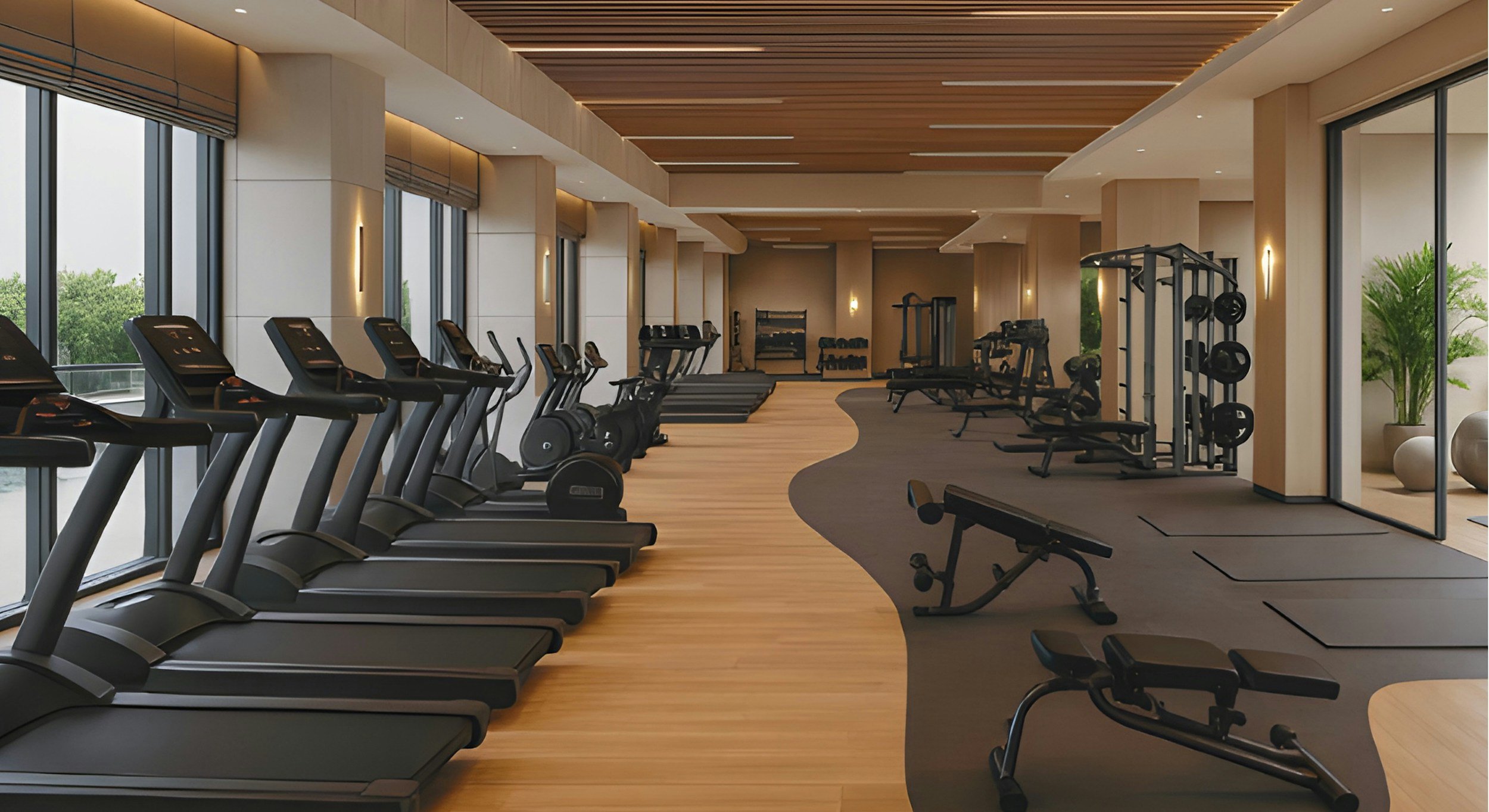
Source: Unsplash
Step inside a familiar commercial gym.
Beyond the front desk are rows of treadmills, ellipticals and strength machines. Mirrors line the walls. Televisions compete for attention above the cardio equipment. Bright overhead fixtures illuminate nearly every area at the same intensity.
The flooring is practical, mostly gray or speckled rubber, with heavier mats beneath the free weights. Neutral walls may be interrupted by high-energy graphics encouraging members to work harder or push further. A studio, small stretching area, locker rooms and a water fountain or bottle-filling station complete the familiar picture.
Nothing is fundamentally wrong with the space. It is functional, durable and well equipped. But it was designed primarily around equipment and exercise. What might change if it were redesigned around the broader experience of well-being?
The WELL Building Standard provides an evidence-based framework for advancing health and well-being through the design, operations and policies of buildings and spaces. Its 10 concepts, Air, Water, Nourishment, Light, Movement, Thermal Comfort, Sound, Materials, Mind and Community, offer a useful lens for reimagining this gym [1]. Paired with an understanding of users, operations and business goals, the framework can guide decisions that are both creative and purposeful.
The goal is not to create a certification checklist. It is to explore what could happen when WELL concepts are thoughtfully layered into the gym's design and member experience.
Begin With More Than a Cosmetic Refresh
A typical renovation might replace aging equipment, repaint the walls and install new flooring. A WELL-inspired redesign would begin with a different question:
How should people feel as they move through this space?
The answer would not be the same everywhere. The cardio area might feel bright, open and energizing. The strength floor could remain bold and performance-oriented. A mobility studio might feel focused and adaptable, while a recovery area would benefit from a quieter, more sheltered atmosphere.
This does not mean turning the gym into a spa or filling every corner with plants. It means designing each area intentionally for the people and activities it serves.
That experience begins with the welcome members receive. Digital access and self-service check-in may make entry efficient, but an attentive greeting, helpful orientation and a visible point of support can make the gym feel more personal, inclusive and connected.
Give the Gym a Stronger Visual Identity
The existing gray palette is durable, but it does little to distinguish one area from another or help the facility stand out in a competitive market.
In the redesigned gym, color helps guide mood and movement. Instead of treating paint, flooring, graphics, lighting and furnishings as separate decisions, the design develops a coordinated concept informed by the facility's users, brand and business objectives. These elements give each activity zone its own character while creating a cohesive experience.
More energetic colors could be introduced selectively in cardio and strength areas through wall treatments, equipment accents, graphics or wayfinding. Quieter, nature-inspired tones might define stretching, yoga and recovery spaces. Changes in flooring color or texture could clarify circulation and signal where one zone ends and another begins.
Materials would become warmer and more varied. Rubber flooring would remain where impact resistance is essential, while other areas might incorporate wood-look finishes, cork, textured wall panels or stone-inspired surfaces. Selections would be evaluated for appearance, emissions, durability, slip resistance, maintenance and suitability for a high-use fitness environment.
Daylight and outdoor views would become part of the design wherever possible. Equipment might be repositioned so members can see outside rather than face a blank wall or an uninterrupted line of screens. Biophilic design could include live plants in appropriate locations, along with nature imagery, organic patterns and natural textures that make the space feel less industrial [2].
The result is still recognizably a gym, but one with a more distinctive identity, a more intentional member experience and a design that works harder for both its users and the business.
Replace Uniform Lighting With Layers
The original gym uses bright fluorescent-style lighting throughout because it is efficient and familiar. Yet the same conditions do not support every activity.
In the redesigned space, lighting becomes layered and responsive. Cardio and strength zones remain well illuminated for safety and energy, with glare controlled around mirrors and screens. Studios gain adjustable lighting that can shift between a high-energy interval class and a slower yoga session. Stretching and recovery areas use softer, warmer illumination to signal a change in pace.
Daylight is used when available, while electric lighting supports the purpose and rhythm of each space, including during early-morning and evening hours [3].
Design for the Air People Actually Breathe
Exercise changes the demands placed on an indoor environment. People breathe more deeply and generate more heat.
Ventilation and filtration would be evaluated for peak occupancy and high-exertion areas [4] . Low-emitting paints, adhesives, flooring and furnishings would help protect indoor air quality. Cleaning products would be selected with both effectiveness and occupant exposure in mind.
Temperature and airflow would also be considered by zone. A packed cardio area may need different conditions than a yoga studio or recovery room. Monitoring temperature and humidity, maintaining vents and fans and responding promptly to concerns become part of the operating strategy rather than simply a reaction to complaints.
Let Sound Support the Activity
A gym will never be silent, nor should it be. Music, movement and social interaction contribute to its energy. But when hard surfaces, televisions, dropped weights and group classes compete in the same acoustic environment, stimulation can quickly become fatigue.
Acoustic treatments can reduce echo and contain sound. High-intensity studios and free-weight areas can be separated from quieter movement and recovery spaces. Members who enjoy energetic music still have that experience, while others can find places with fewer screens and less sensory input.
The goal is not silence. It is choice.
Place Water Where People Need It
In the original gym, one bottle-filling station was installed wherever plumbing made it convenient. The redesign considers hydration as part of the member journey.
Filtered water stations are visible, easy to reach and placed near major workout zones. A larger facility may need more than one location. Stations are inspected regularly, maintenance information is clear and surrounding floors remain safe and dry.
Where food or refreshments are offered, the approach can remain simple. Instead of allowing sports drinks, energy products, supplements and packaged snacks to dominate the available choices, the gym might provide or clearly identify water, fruit, minimally processed snacks and options with useful nutrition information. Healthier choices can also be placed and promoted more prominently [5].
Nourishment does not need to become a café concept. It simply needs to align with the health message the gym is communicating.
Make Space for More Ways to Move
The redesign does not remove the treadmills or strength equipment. It broadens the definition of movement.
The floor plan includes comfortable circulation, adequate spacing and clear routes between cardio, strength, studios, hydration and locker rooms. Equipment and programming support varied ages, body types, abilities and experience levels. There is room for balance, mobility and functional movement, not only machines.
A new or less-experienced member should be able to navigate the facility and use its equipment without feeling intimidated or out of place. Someone returning after an injury should find appropriate options. An experienced athlete should still have the equipment and intensity required for serious training.
Group programming, introductory sessions and community activities can also help members form connections and feel that they belong. Movement is supported through choice rather than a single image of what fitness should look like.
Treat Recovery as Part of the Workout
In many gyms, recovery is whatever happens in the few feet of open floor left beside the equipment. Here, it becomes intentional.
The redesigned gym includes a comfortable place to cool down, stretch, breathe and allow the heart rate to settle. Mats and mobility tools are organized, visibly maintained and easy to clean. Lighting is calmer, sound is reduced and the temperature is comfortable for someone no longer exercising at full intensity.
Amenities such as a sauna, hydromassage chair or compression equipment may add value, but equipment alone does not create a restorative experience. A device placed in a bright, noisy circulation path still feels like part of the workout floor. A thoughtfully designed recovery zone helps members shift comfortably from exercise back into the rest of their day.
Build Trust in the Ordinary Moments
Members often judge the credibility of a wellness environment through its least glamorous details.
Locker rooms and changing areas are part of the wellness experience, not simply support spaces. Good ventilation, moisture control, slip-resistant materials, privacy, accessibility and reliable storage can help members transition comfortably from exercise back into their day.
Does the soap dispenser work? Are the showers clean? Are mats dry and visibly maintained? Are water filters replaced? Are floors safe? Are supplies stocked? Can members easily report a problem?
The redesign therefore extends beyond construction. Cleaning, inspection and maintenance protocols become visible parts of the experience. Staff understand how environmental quality, member service and facility upkeep work together. Feedback is collected and acted upon.
Healthy design may earn attention. Healthy operations earn trust. Together, they help create a fitness environment people value, use and want to return to.
Create a Place People Want to Return To
The finished gym is not luxurious for the sake of luxury. It still contains durable materials, serious exercise equipment and the practical realities of a heavily used facility.
What has changed is the relationship between the parts. This is where thoughtful design adds value by translating user needs, well-being goals and business objectives into spatial planning, materials, lighting, acoustics, wayfinding and a visual identity that works as well as it looks.
Air, water, nourishment, light, movement, thermal comfort, sound, materials, mind and community are no longer treated as separate features. Together, they shape how the space looks, feels and performs.
For members, this can mean a fitness environment that feels more comfortable, inclusive and enjoyable to use. For owners and operators, it can mean a facility with a clearer identity, broader appeal and greater potential to support engagement, satisfaction, loyalty and retention. Design alone cannot guarantee those outcomes, but it can help create the conditions that make them more likely.
A typical gym may provide everything required for a workout. A WELL-inspired gym asks a larger question: How can the entire environment help people move, recover, connect and return?
REFERENCES
[1] International WELL Building Institute, “WELL Certification overview,” WELL Support.
[2] J. S. Gaekwad, A. Sal Moslehian, P. B. Roös, and A. Walker, “A meta-analysis of emotional evidence for the biophilia hypothesis and implications for biophilic design,” Frontiers in Psychology, vol. 13, Art. no. 750245, May 2022, doi: 10.3389/fpsyg.2022.750245.
[3] International Commission on Illumination, CIE Position Statement on Integrative Lighting: Recommending Proper Light at the Proper Time, 3rd ed., CIE PS 001:2024, 2024, doi: 10.25039/PS.b2twa77g.
[4] ASHRAE, ANSI/ASHRAE Standard 62.1-2025: Ventilation and Acceptable Indoor Air Quality. Peachtree Corners, GA, USA: ASHRAE, 2025.
[5] R. Prowse, N. Lawlor, R. Powell, and E.-M. Neumann, “Creating healthy food environments in recreation and sport settings using choice architecture: A scoping review,” Health Promotion International, vol. 38, no. 5, Art. no. daad098, Oct. 2023, doi: 10.1093/heapro/daad098.